Why Industrial Website Design Matters for Lancashire Manufacturers
A website for an industrial business needs to do more than just look good. It must communicate reliability, technical competence, and a clear understanding of the products or services on offer. For manufacturers, engineering firms, and other industrial companies in Lancashire, a well-planned site can be the difference between a lead that converts and one that leaves without a second thought.
Industrial buyers tend to research thoroughly before making contact. They want to see technical specifications, case examples, and clear contact information. A site that loads slowly, lacks clear navigation, or buries key details under vague headings will lose their trust quickly. That is why thoughtful industrial website design focuses on structure and clarity first, with visual appeal coming second.
Buzz Media Marketing ltd is also on LinkedIn.
What Makes an Industrial Website Different
Consumer websites often rely on emotion, lifestyle imagery, and impulse-driven calls to action. An industrial site, by contrast, serves a professional audience that values facts, precision, and efficiency. The design must support quick access to technical data, product ranges, and service descriptions without unnecessary clutter.
A good industrial site typically includes clear product categories, downloadable PDFs of datasheets or brochures, and a straightforward contact page. It should also work well on mobile devices, because many engineers and site managers browse on phones or tablets while on the move. A responsive layout that adapts to smaller screens is not optional anymore; it is expected.
Navigation and User Experience
The way a visitor moves through your site directly affects whether they stay or leave. For industrial website design, navigation should be logical and predictable. Group products by type, material, or application. Use descriptive labels instead of internal jargon. A visitor should be able to find a specific product or service within two or three clicks.
Search functionality becomes important when your catalogue is large. A search bar that returns relevant results quickly can save a busy professional time. Avoid overwhelming users with too many menu options at once; instead, use dropdown menus or mega-menus that reveal subcategories clearly.

Content That Builds Credibility
Text on an industrial site should be direct and informative. Avoid vague marketing language. Describe what you supply, how it is made, and what quality standards it meets. Include dimensions, materials, tolerances, and any certifications where relevant. This kind of detail helps a potential buyer judge whether your product fits their needs without having to call or email first.
Photographs should show products from multiple angles, with scale references where possible. Videos showing assembly, installation, or operation can add another layer of trust. For many industrial buyers, seeing a product in action is more convincing than reading a description.
Performance and Hosting Considerations
A slow website harms your credibility and your search engine rankings. Industrial sites often contain large image files or PDFs, so optimising load times is essential. Compress images without losing visible quality, enable browser caching, and choose a hosting provider that can handle your traffic levels. For businesses in Burnley and nearby areas, local hosting or a reliable UK-based server can reduce latency and improve speed for local customers.
Security is another factor. If your site handles enquiries, quote requests, or file uploads, it needs an SSL certificate and protection against common threats. A secure site reassures visitors that their data is safe, which matters when they are sharing project details or commercial information.
Search Engine Visibility for Industrial Terms
Your website cannot work for you if no one can find it. Search engine optimisation for industrial terms often involves targeting specific product names, material types, or application phrases. A well-structured site with clear headings, descriptive URLs, and accurate meta tags helps search engines understand your content.
Local search matters too. A manufacturer based in Brierfield, Nelson, or Burnley will want to appear when someone searches for a specific service in Lancashire. Including your location on the site, in the content and in the page metadata, helps search engines connect your business with local queries.

Industrial website design must balance visual appeal with technical functionality. A site that loads quickly, provides clear product information, and makes it easy to get in touch will outperform one that prioritises flashy animations or complex layouts. The goal is to help the visitor find what they need and feel confident enough to take the next step.
Common Pitfalls to Avoid
One frequent mistake is treating an industrial site like a brochure. A brochure presents information in a fixed order. A website should allow visitors to choose their own path. Another is neglecting to update content regularly. If a product is discontinued or a specification changes, the site should reflect that quickly. Outdated information undermines trust.
Mobile usability is often overlooked. An industrial site that looks fine on a desktop monitor but forces mobile users to zoom and scroll horizontally will frustrate potential customers. Test your site on a phone and a tablet to ensure buttons are tappable, text is readable without zooming, and forms are easy to fill in.
Finally, avoid overloading pages with too many calls to action. A single, clear next step per page - such as "Request a quote" or "Download the datasheet" - works better than a dozen competing buttons. Let the visitor decide what they need, and make that action obvious.
Getting Started with a Redesign or New Build
If you are planning a new site or a major update, start by listing the questions your customers ask most often. Build the site around answering those questions. Map out the main product categories and decide which technical details matter most. Think about how your customers search for your products and what information they need before they buy.
Choosing a designer or developer who understands industrial markets can save time. They will ask the right questions about your workflow, your customers' needs, and the technical constraints of your products. They will also know which features matter most - such as filtering options for product lists or a strong search function.
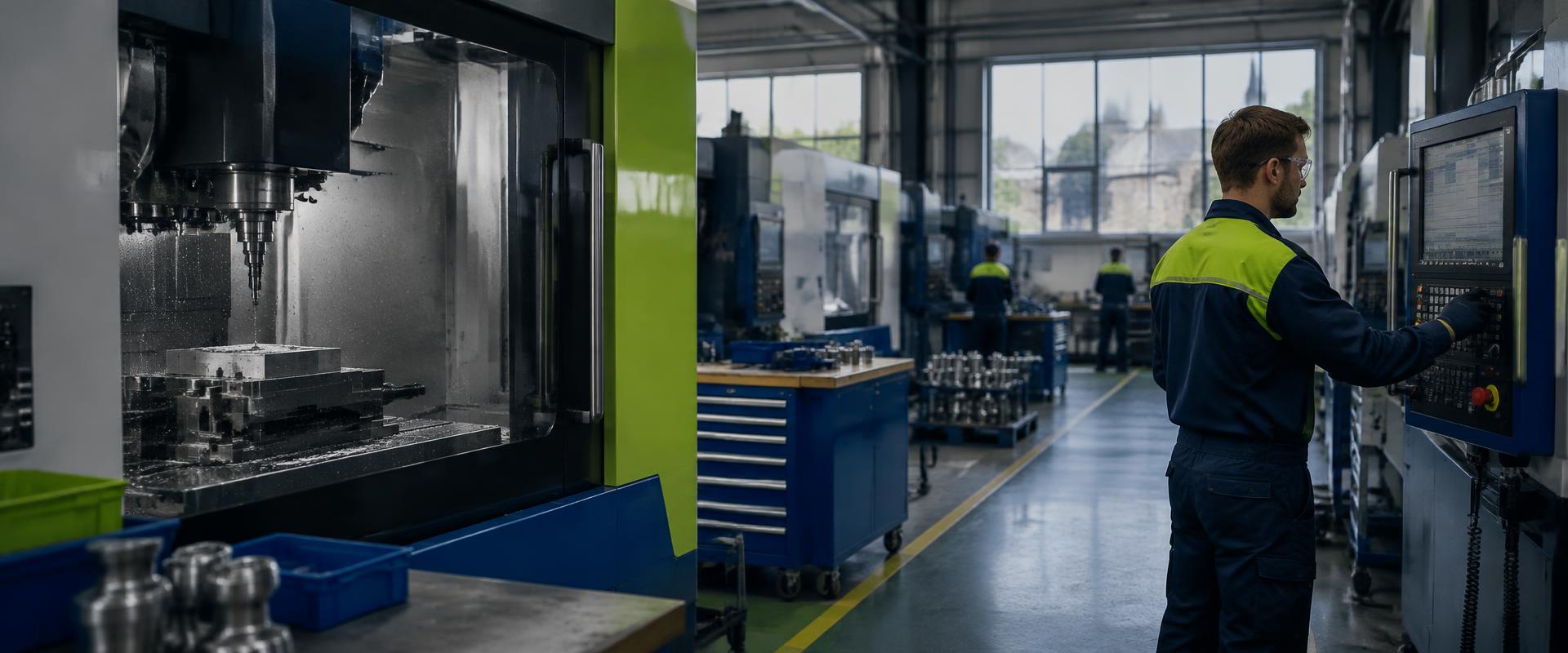
For businesses in Burnley and the wider Lancashire area, Buzz Media Marketing ltd offers affordable web design, development, hosting and ongoing website care. They can be reached at Unit 228, Northlight Industries, Pendle Rd, Brierfield, Nelson BB9 5FL, UK, by phone on +44 1282 501535, and provide web services tailored to local industrial companies.
Maintaining Your Industrial Website
Once the site is live, keep it maintained. Regular updates to content, security patches, and performance checks will help it stay reliable. Monitor analytics to see which pages attract the most interest and which ones cause visitors to leave. Use that data to refine your content and navigation over time.
A website is not a one-time project. It is a tool that needs care to keep working well. With the right approach to industrial website design, your site can become a dependable source of enquiries and a clear reflection of your company's capabilities.